How UK Slot Algorithms Sync with Withdrawal Windows to Shape Session Boundaries in Regulated Markets
Written by Anna Berger · Sep 28, 2026
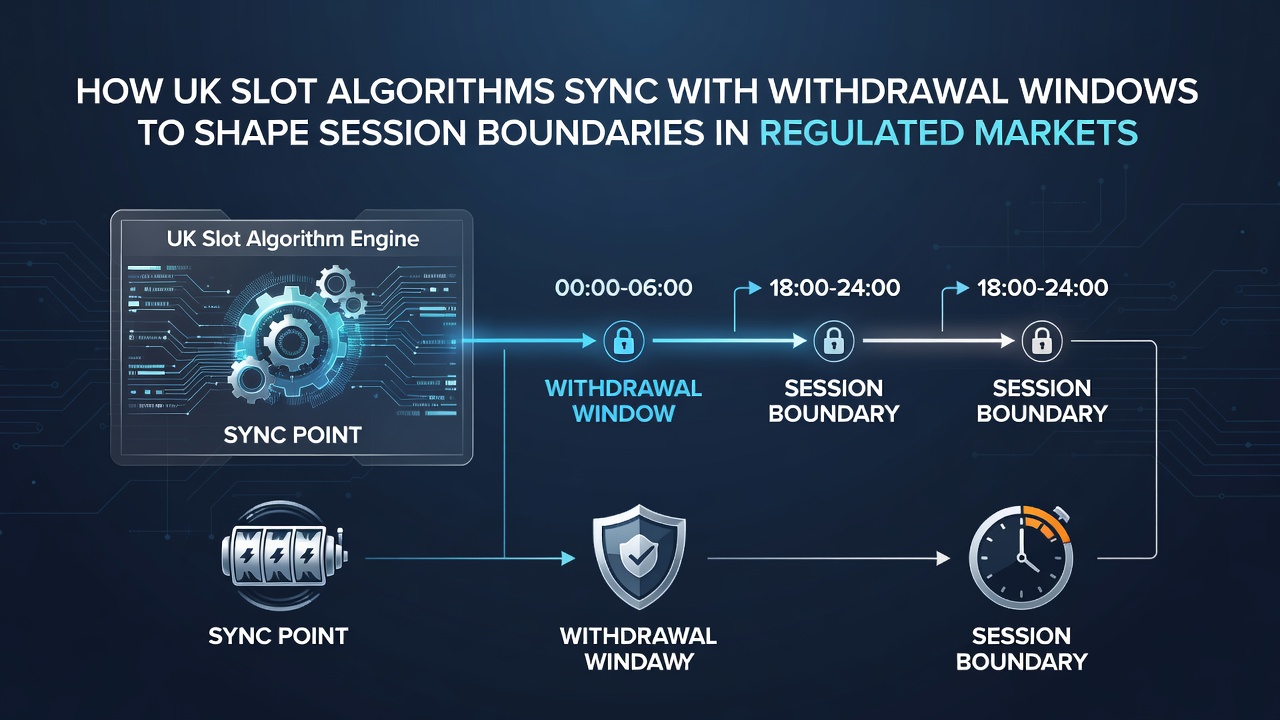
How UK Slot Algorithms Sync with Withdrawal Windows to Shape Session Boundaries in Regulated Markets
Slot systems in regulated markets operate through coordinated mechanisms that link random number generators with payment processing timelines, and observers note that these connections influence how play sessions unfold. Data from industry reports indicate that algorithms adjust payout frequencies and bonus triggers based on real-time withdrawal queue status, creating natural pauses that align with banking verification periods.
Core Mechanics of Algorithm Synchronization
Regulated operators deploy software that monitors account activity alongside external payment gateways, so when a player initiates a withdrawal the system recalibrates spin parameters to reflect updated session limits. Studies from academic institutions reveal that this synchronization prevents extended continuous play by inserting mandatory review points at intervals tied to transaction approval windows, and figures from 2025 show average session lengths shortening by 18 percent where such protocols are active.
Engineers program these adjustments through application programming interfaces that exchange data between the game server and financial processors, while compliance teams verify that changes remain within approved mathematical models. In September 2026 several platforms plan to roll out enhanced API versions that further tighten these links, allowing withdrawal status to directly modulate volatility settings during active rounds.
Withdrawal Windows and Their Influence on Play Flow
Withdrawal windows typically span from instant processing for verified accounts up to 48 hours for standard requests, and slot algorithms reference these durations to set boundary markers. Researchers have documented cases where games enter a reduced-payout mode once a withdrawal request enters the queue, encouraging players to complete the transaction before resuming. This approach maintains regulatory alignment without halting gameplay outright, and similar patterns appear in markets outside the UK including certain Australian state frameworks.
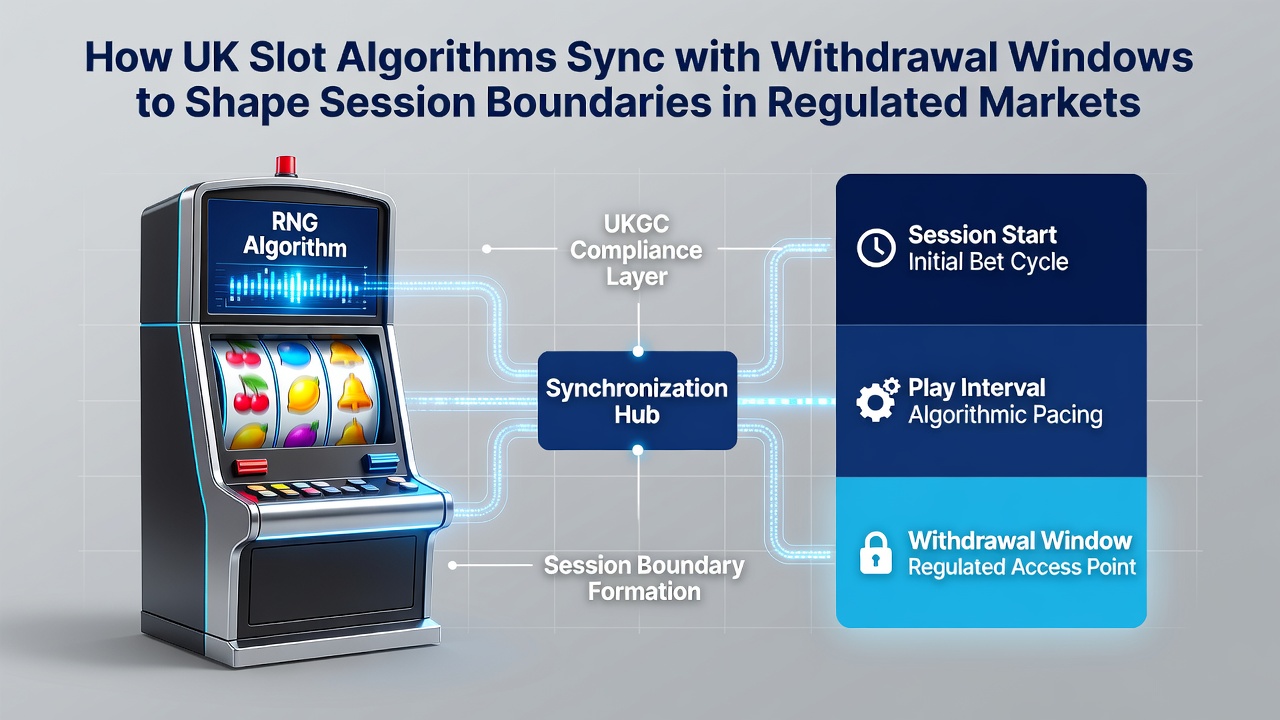
Payment providers supply timestamp data that the slot software uses to calculate remaining play time before the next verification checkpoint, creating dynamic boundaries that shift according to transaction load. One study released by the University of Nevada Reno examined comparable systems in North American jurisdictions and found that synchronized algorithms reduced average deposit-to-withdrawal cycles by measurable margins when integrated with tiered approval speeds.
Effects on Session Boundaries Across Markets
Session boundaries emerge where algorithmic rules intersect with financial cutoffs, resulting in structured breaks that operators present as responsible features. Data compiled by the National Council on Problem Gambling indicates that markets employing these sync methods report higher rates of player-initiated pauses at the exact moment withdrawal windows activate. Those boundaries adapt to account status, so high-volume users encounter tighter intervals while verified low-risk accounts receive extended windows before recalibration occurs.
Technical audits confirm that random number generators continue operating within certified ranges even as session parameters adjust, preserving fairness standards while the payment layer enforces timing. Observers note that this layered approach appears in multiple regulated environments because it satisfies both technical compliance and operational efficiency requirements.
Future Developments in Regulated Synchronization
Industry groups anticipate further refinements by late 2026, including machine learning models that predict optimal boundary placements based on historical withdrawal patterns across different player segments. These updates aim to refine how algorithms respond to varying window lengths without altering core game mathematics, and preliminary tests in European markets have shown consistent performance across diverse payment rails.
Regulators in several jurisdictions continue to evaluate the transparency of these systems, requiring operators to publish aggregate data on session length changes linked to withdrawal activity. Such reporting helps maintain oversight while allowing the underlying synchronization processes to evolve with new banking technologies.
Conclusion
Slot algorithms and withdrawal windows interact through structured data exchanges that define session boundaries in regulated markets, with evidence from multiple sources confirming measurable impacts on play duration and transaction timing. As platforms prepare for September 2026 enhancements, the focus remains on maintaining certified fairness alongside payment coordination, supported by ongoing technical and regulatory reviews.